Understanding Your Teak Wood Flooring Investment
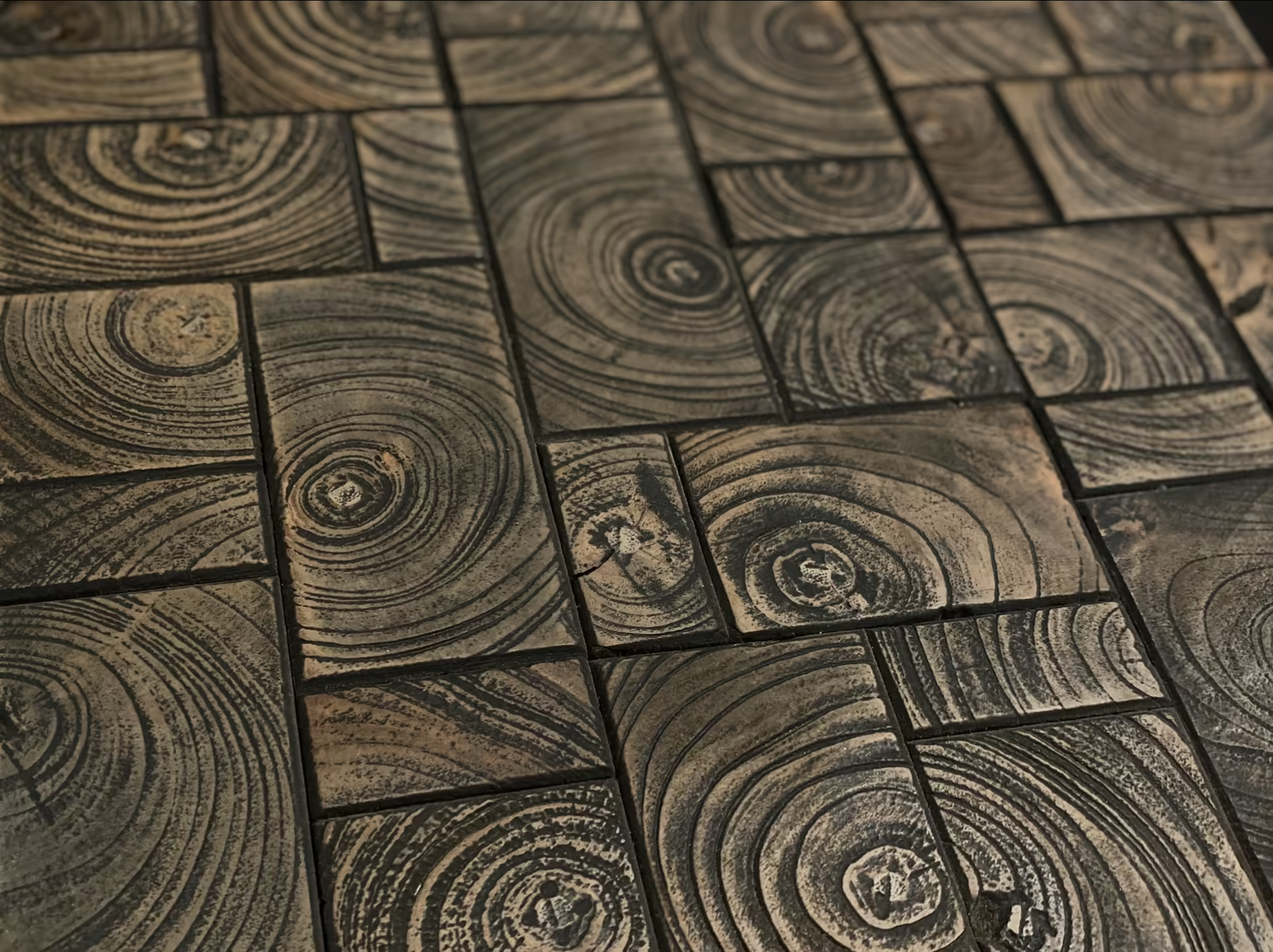
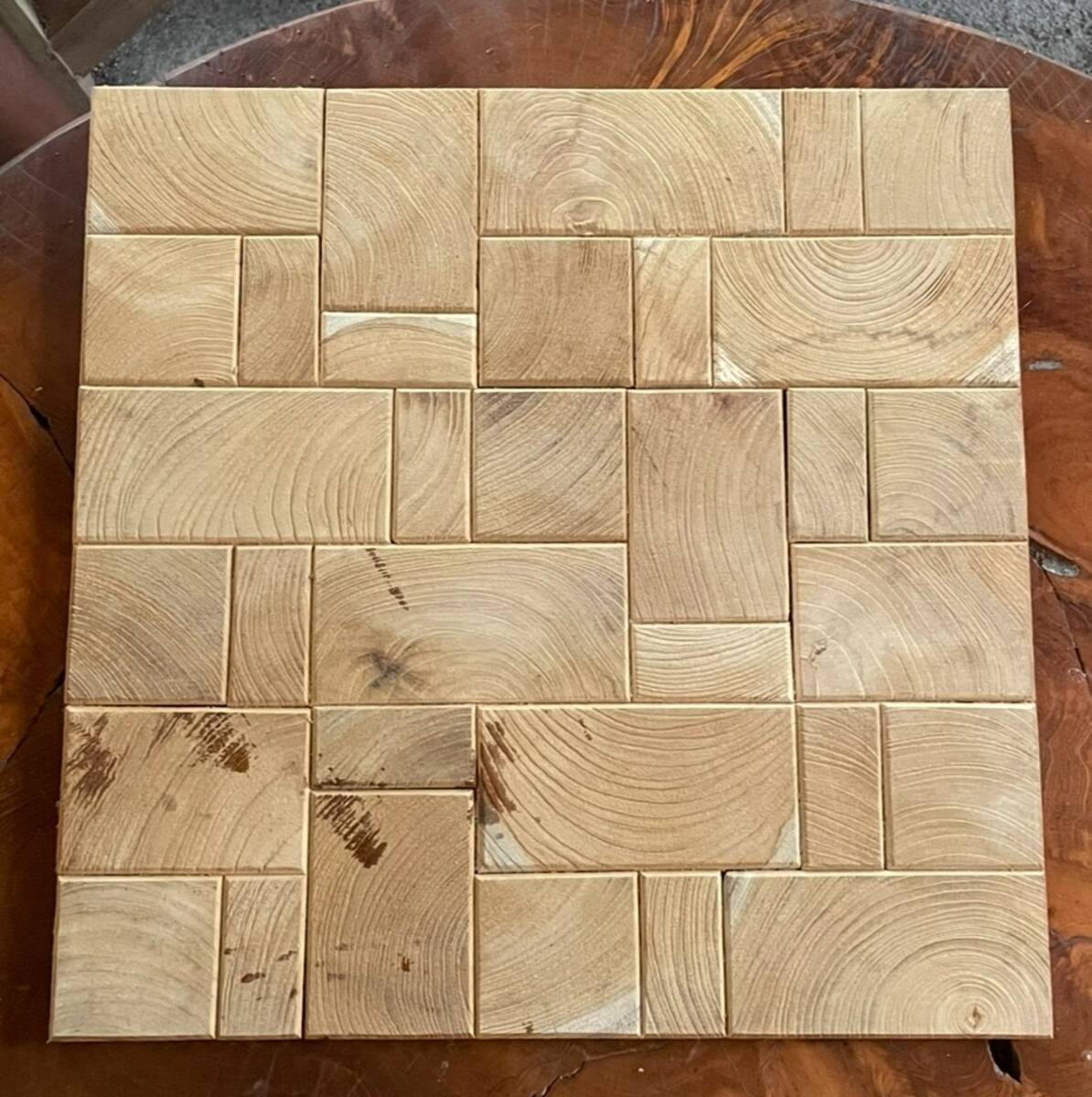
Indonesian teak (Tectona grandis) has earned its reputation as the world's most prized hardwood for flooring. With a Janka hardness rating of 1,155 lbf and naturally occurring oils that resist moisture, rot, and insects, teak represents a premium investment that can last well over a century when properly maintained. At Vinteak Panels, we've crafted teak flooring for luxury residences and commercial spaces worldwide, and we understand what it takes to preserve its golden-brown beauty.
Daily Care: The Foundation of Teak Longevity
Consistent daily maintenance prevents the accumulation of dirt and debris that can gradually scratch your floor's finish. Here's the professional approach:
- Dry Sweeping: Use a soft-bristled broom or microfiber dust mop daily in high-traffic areas. The natural grain of teak can trap fine particles that act as abrasives underfoot.
- Vacuuming: Weekly vacuuming with a hardwood floor attachment (brush setting disabled) reaches dust that sweeping misses. Pay attention to corners and under furniture.
- Entry Mats: Place quality doormats at all entrances. Over 80% of floor damage comes from dirt and moisture tracked in from outside.
Weekly Deep Maintenance Protocol
Beyond daily care, weekly maintenance ensures your teak flooring maintains its characteristic warmth and luster:
- Damp Mopping: Use a barely-damp (never wet) microfiber mop with clean water or a pH-neutral hardwood floor cleaner. Excess moisture is teak's enemy—it can penetrate the finish and cause grain raising or discoloration.
- Spot Cleaning: Address spills immediately. Blot (don't rub) with a soft cloth. For stubborn spots, use a dedicated hardwood cleaner recommended by your flooring supplier.
Professional Refinishing Schedule
One of teak's greatest advantages is its ability to be restored. Solid teak flooring can be sanded and refinished multiple times over its lifespan. Industry practice recommends refinishing every 7 to 10 years for commercial spaces with moderate to heavy foot traffic, extending the floor's service life well beyond 50 years. Engineered alternatives lack this capacity, making solid teak the preferred specification for projects where long-term serviceability is a requirement.
Humidity Control for Long-Term Stability
Teak's dimensional stability is exceptional among hardwoods, with a radial shrinkage of only 2.5% and tangential shrinkage of 5.8% from green to oven-dry state. However, maintaining indoor relative humidity between 30% and 50% year-round is essential for any hardwood flooring. In tropical export origins such as Indonesia, teak is kiln-dried to a moisture content of 8% to 10%, carefully conditioned to acclimate to the target climate. This process ensures minimal movement after installation and reduces the risk of gapping or cupping in service.
Avoiding Common Maintenance Mistakes
Teak's natural oils are its primary defense mechanism. Avoid using harsh chemical cleaners, steam mops, or wax-based products that can strip these oils or leave residue that attracts dirt. When refinishing becomes necessary, engage a professional experienced with exotic hardwoods. Teak's silica content accelerates abrasive wear on sanding equipment, requiring specialized tooling and technique. With proper specification and care, a teak floor installed today will serve multiple generations of building occupants — an investment measured not in years but in decades.
Frequently Asked Questions
Can teak flooring be installed in bathrooms and kitchens? Yes. Teak's natural oil content makes it one of the few hardwood species suitable for high-moisture environments. Proper sealing and ventilation remain important, but teak outperforms oak, maple, and walnut in moisture-prone areas.
How often should teak flooring be refinished? In commercial settings, refinishing every 7 to 10 years is standard. Residential floors may extend to 12 to 15 years between refinishing cycles, depending on foot traffic and maintenance quality.
Does teak flooring require special cleaning products? pH-neutral hardwood cleaners and barely-damp microfiber mopping are sufficient. Avoid ammonia-based cleaners, steam mops, and silicon-based waxes that can damage the finish or clog the wood's natural pores.
Can teak flooring be used with radiant heating systems? Yes. Teak's dimensional stability — the lowest shrinkage rate among premium hardwoods — makes it highly compatible with radiant floor heating. The key is to ensure proper acclimation and moisture content control before installation.
Conclusion
Teak flooring is not merely a material choice but a long-term architectural decision. Its combination of natural durability, dimensional stability, and refinishing capacity delivers a lifecycle cost that competitive species cannot match. For architects and specifiers seeking a flooring material that performs as reliably in year 50 as it does on day one, Indonesian teak remains the benchmark. Explore our teak wood flooring collection or request a specification consultation for your next project.