
PRODUCTION SYSTEM
Explaining how our process works to control the main risks in using teak wood for architectural projects. Not as a brand narrative, but as an operational overview—how materials are selected, processed, and prepared to work consistently, stably, and predictably in real project conditions.
THE
ORIGIN
Material Selection as Risk Control
The process begins with material selection focused on structural stability. Teak wood is selected based on maturity, grain direction, and natural movement potential.
High-risk materials—such as those prone to cracking or deformation—are removed early before entering the production stage. This approach ensures that only materials with controlled characteristics are processed further.


"We believe sustainability isn't a slogan —it's our practice."
THE
ARTISANSHIP
Skilled Craft Within a Measured System
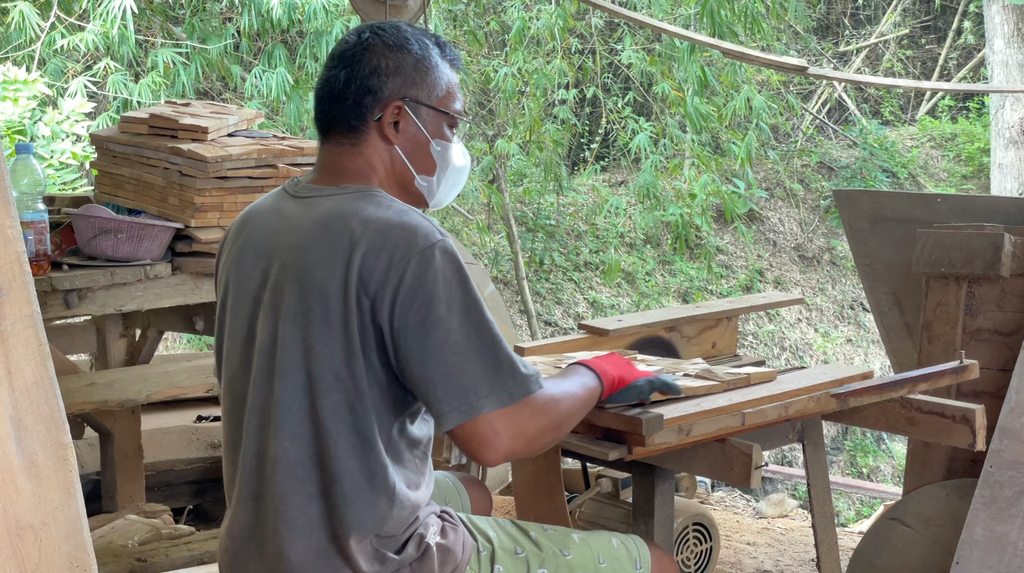
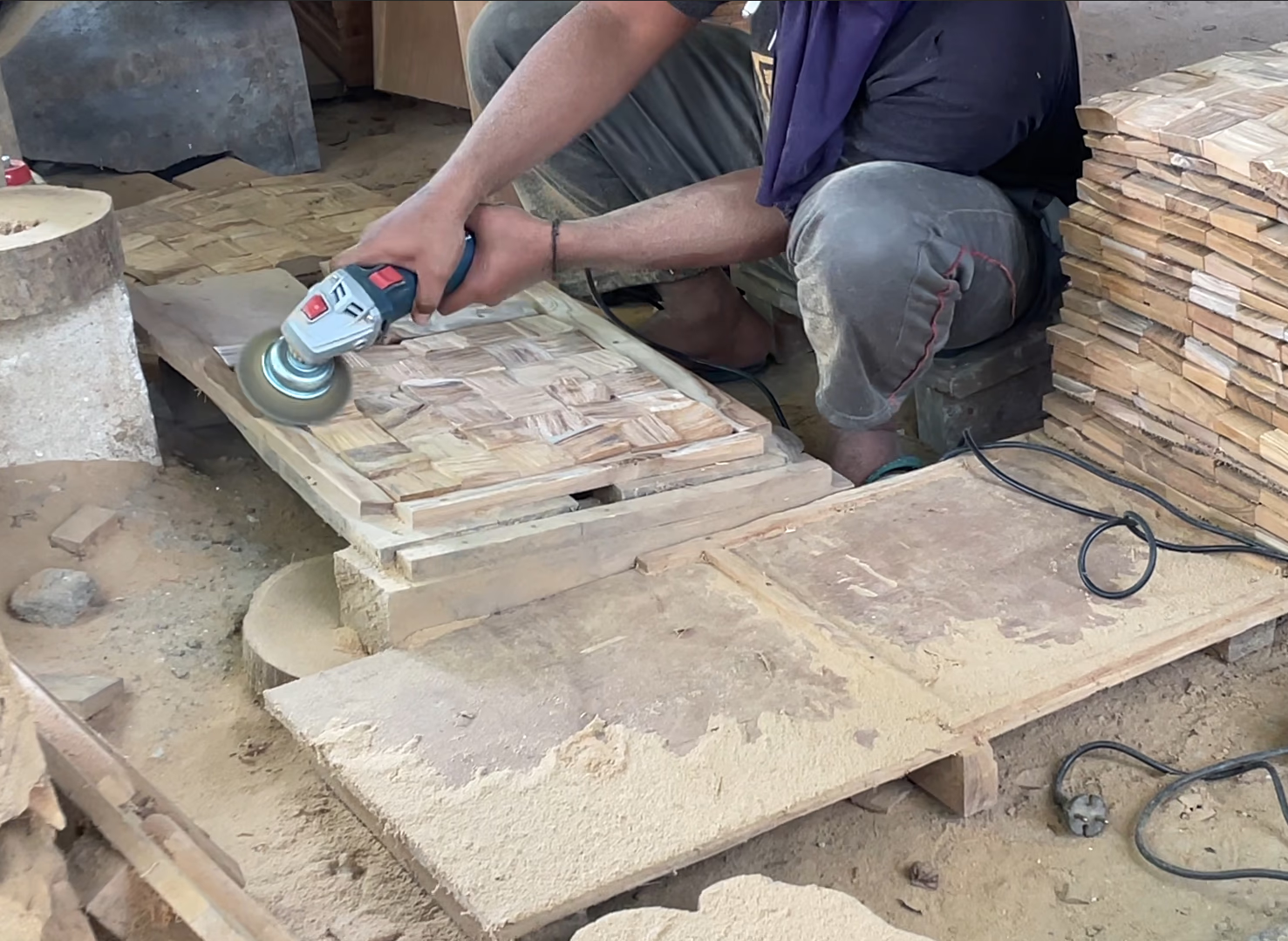
Experienced craftsmanship is executed within a measured work system.
Each stage follows a documented and replicable workflow, so results do not depend on individuals, but on the system. This way, variations in results between panels and between batches can be controlled consistently.
THE
CONDITIONING
Managing Wood Movement Before Installation
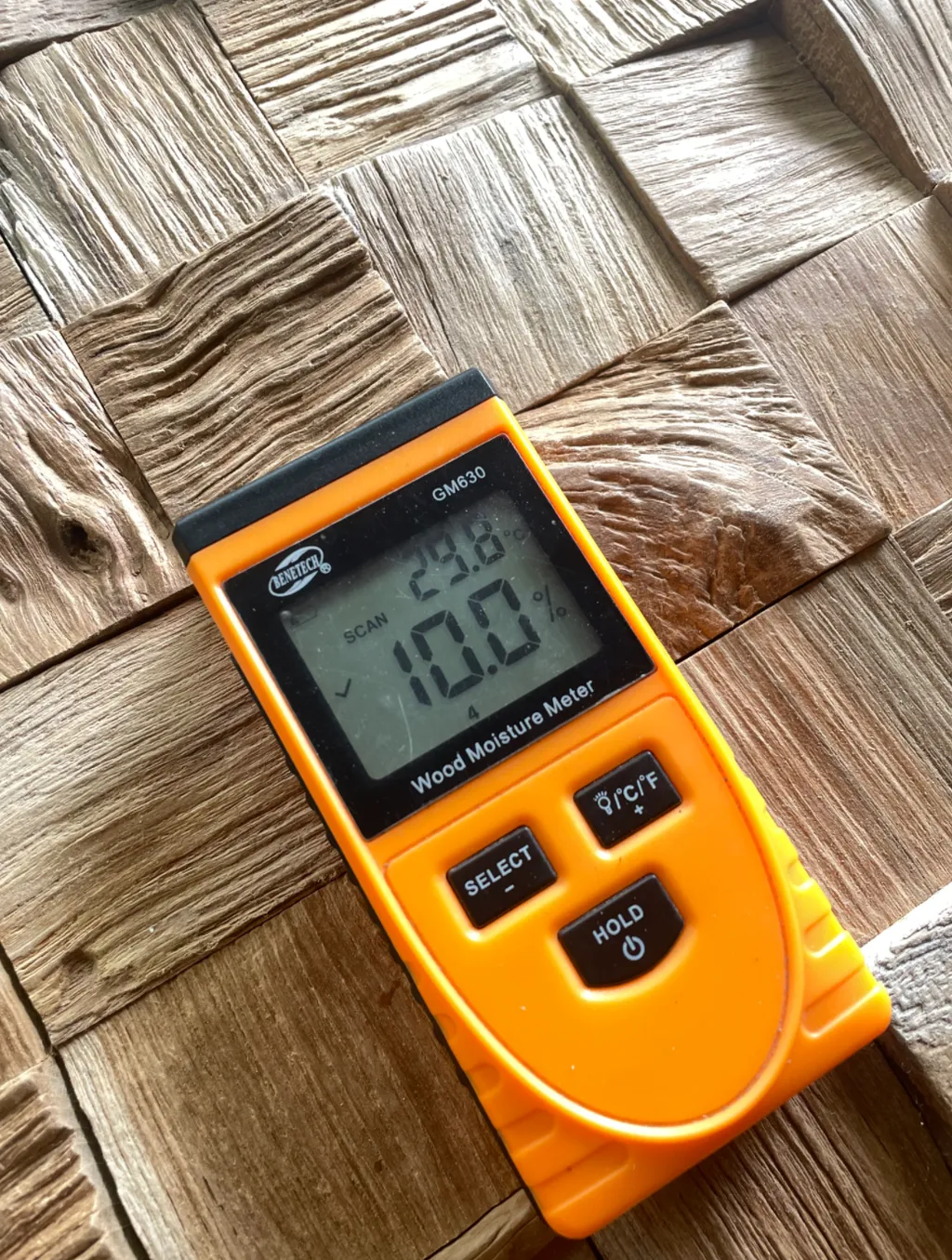
Before fabrication, material undergoes a conditioning process to stabilize moisture content, with the aim of reducing internal tension in the wood, making material behavior more stable during use.
This stage plays an important role in reducing the risk of deformation and cracking after installation.
THE
FABRICATION
Built as an Installation System
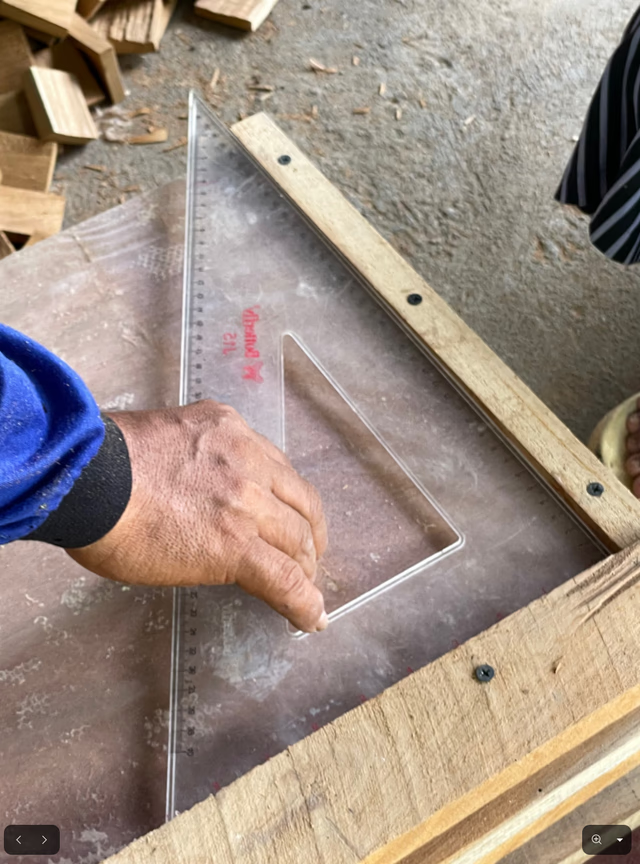
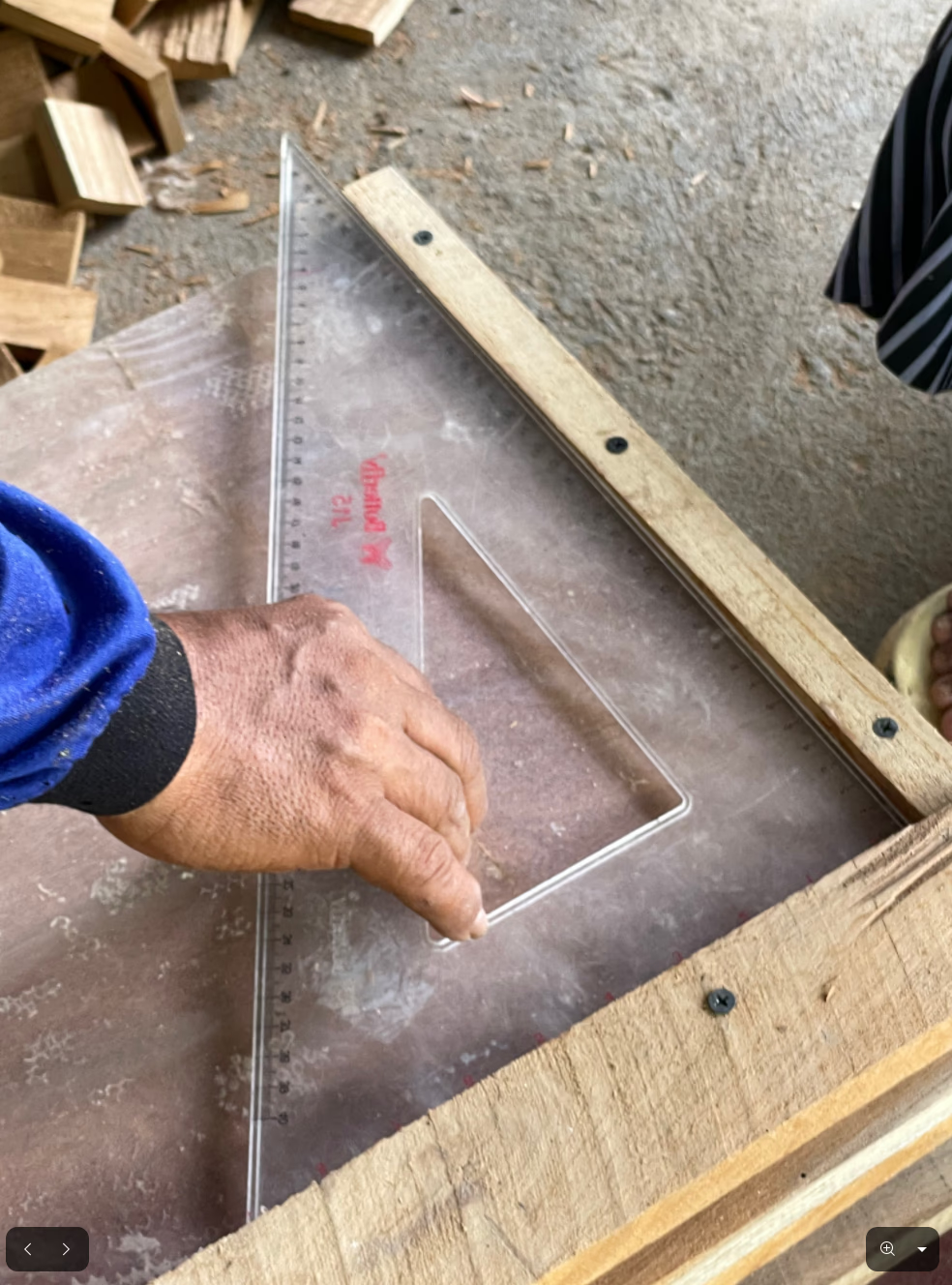
Panels are manufactured with strict dimensional control and tolerances. Each element is designed to work as part of an installation system, not as a separate component.
This approach reduces installation errors, field adjustment needs, and potential failures due to mismatches between panels.
THE
FINISH
Protection Aligned with Application
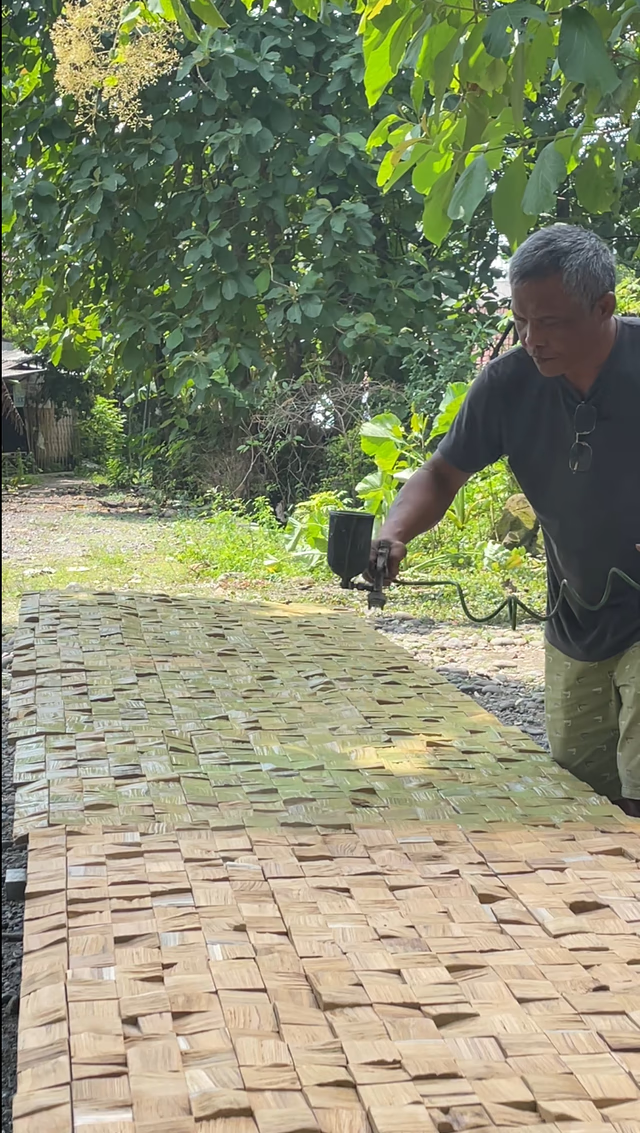
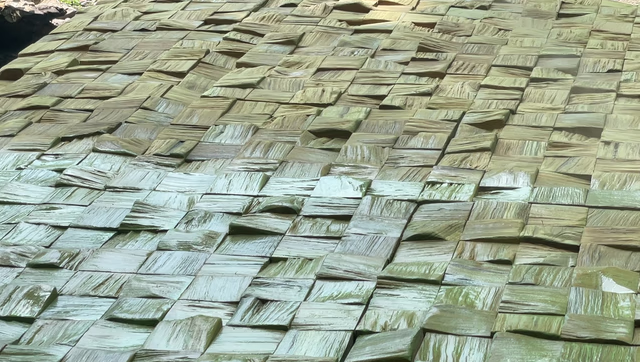
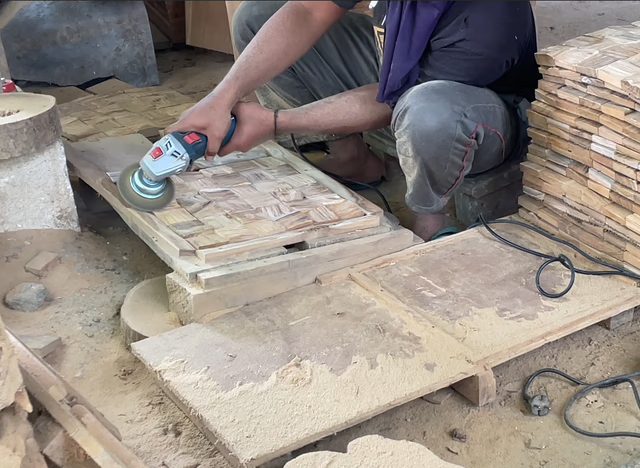
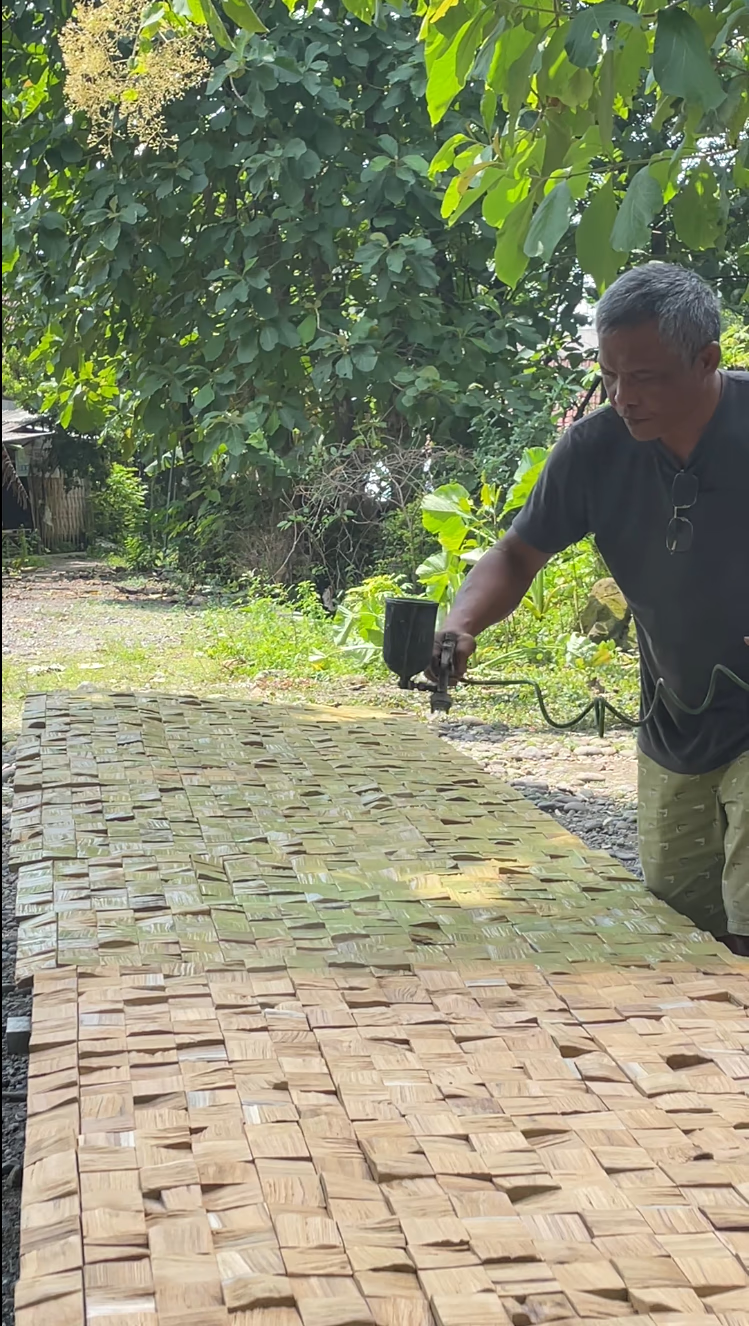
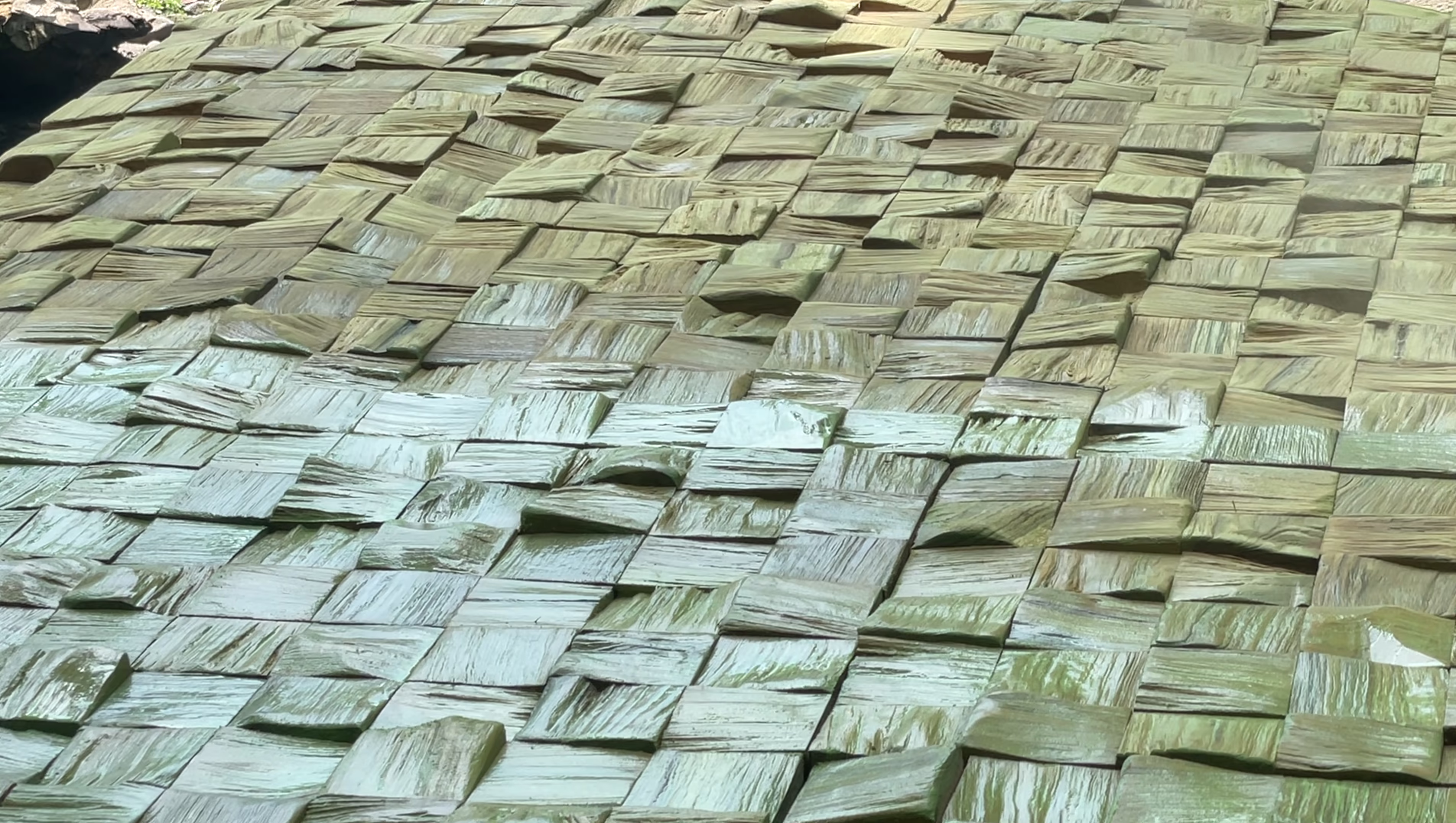
Finishing is used as a protection and aesthetic system designed to control wood surface response to light, air, and physical contact. Each approach is selected considering exposure levels and environmental characteristics, from protected interior areas to outdoor conditions with temperature and humidity fluctuations.
Additionally, finishing also considers color stability, layer adhesion, as well as ease of maintenance and recoating. With this approach, material performance is maintained consistently throughout the long-term usage cycle.
THE
CONSISTENCY
Trust as an Operational Outcome
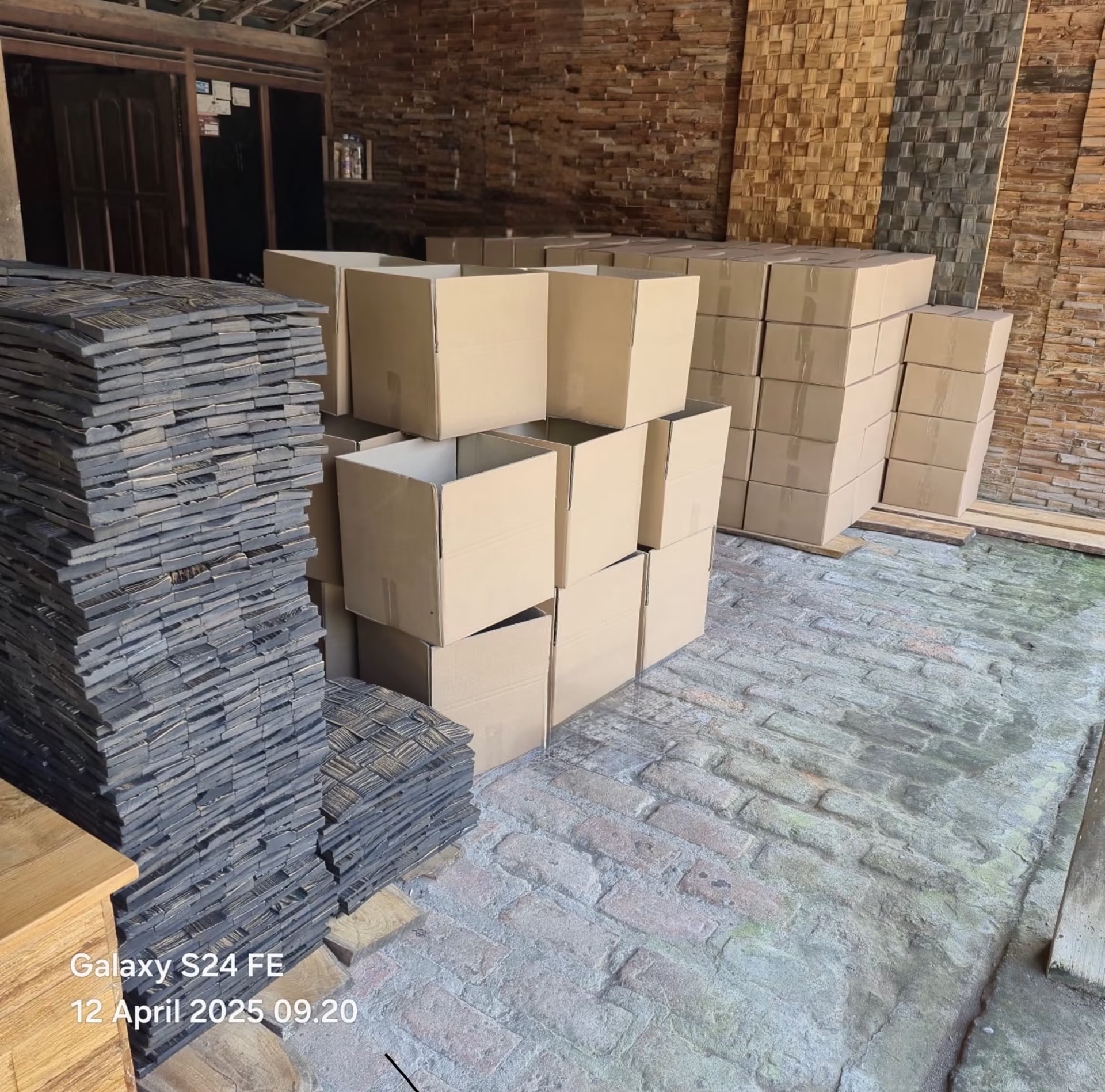
Consistency of results between batches becomes the primary benchmark.
Material behavior, dimensions, and final quality are maintained according to established specifications.
Reliability is not built from claims, but from processes executed with discipline.
Experience
the Result of Our Precision
Explore how our rigorous production standards translate into exceptional architectural products.